Increasing the size and strength of biceps within only 30 days may seem like a dream, but with the help of an appropriate training program, nutrition and consistency, it is not only possible but quite achievable. The biceps is one of the most conspicuous muscle sets in your upper body, and it is not only an exercise to improve your image but also the overall strength and performance. Growth does not only lie in simply lifting heavy weights, but it entails making specific movements to your muscles, being in good poses, and getting enough rest. We will discuss the best bicep exercises that will in fact work within a month, and also how often to train, how to rest, and how to recover muscles in order to gain the most possible and be able to see significant changes in size and definition.
Learning Biceps Anatomy
The first thing to consider before committing to the workout plan is to have an idea of what you are dealing with. The biceps brachii has 2 heads, the long head and the short head, which run along the upper arm and they are the ones that flex the elbow as well as rotate the forearm. In order to get maximum growth of the biceps, it is important to work both heads with different exercises and angles. Long head is normally attacked using the movements that involve arms behind the torso and the short head is also focused using close grip or front facing movements. Other muscles including the brachialis and brachioradialis are also useful in imparting to the overall arm thickness hence the use of the compound and the isolation movements gives a balance in the development.
The 30 Days Bicep Transformation Plan
The 30-day plan consists of the progressive overload – increasing the resistance gradually to promote muscle growth. You will be training biceps three times a week and at least one day in between the sessions to get a rest. The trick is to be intense and in control; never hurry with reps. Pay attention to the contraction of your muscles during the top of all movements and keeping tension during the set. You will be doing both compound and isolation exercises where there would be the use of dumbbells, barbells, and cables. Every exercise session must have 4-5 exercises in 3-4 sets and 8-12 reps.
Barbell Bicep Curl

Barbell curl is the queen of bicep exercises and it is an essential in every growth routine. This motion enables you to lift heavier weights than dumbbells using both ends of a biceps. With your feet about half the distance apart, hold the barbell in underhand grip and lift it up to your chest keeping your elbows stuck to your sides throughout. On the top of the motion squeeze your biceps and then slowly lower them to ensure maximum tension of the muscles. Think about form and not momentum so that your wrists and shoulders are not strained. It is important to make sure that constant progression is done which can be achieved by doing 3-4 sets of 8-10 reps with incremental weight on a weekly basis.
Dumbbell Alternating Curl
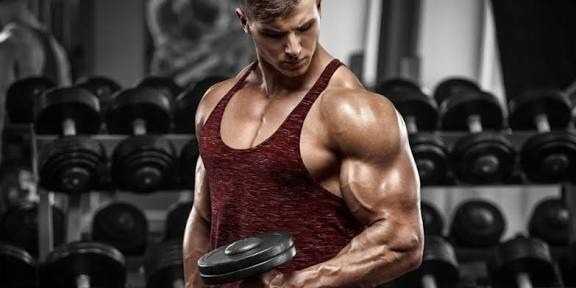
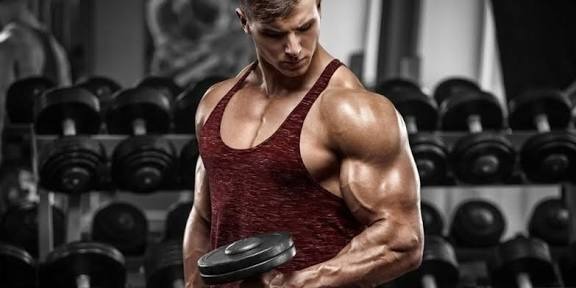
Dumbbell curls permit more movement and they are useful in correcting arm muscle imbalance. Sit or stand with dumbbell in each hand with the palms facing in front and curl one arm at a time. Lift by turning your wrist so that you have your palm facing up at the top. This motion is called supination and it involves the use of the long head of the biceps to give it a complete peak. Alternating arms with 3-4 sets of 10-12 reps and emphasizing on slow and controlled movements. Moderate weights will enable you to be in perfect position and increase muscle contractions.
Preacher Curl
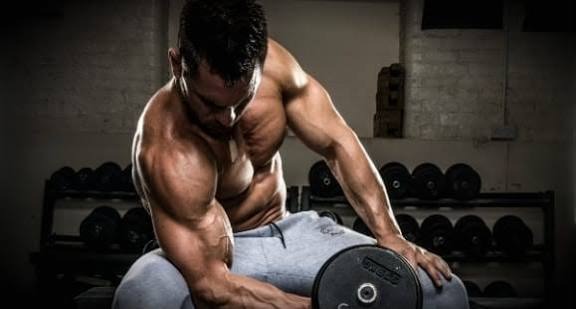
Preacher Curl is the isolation of biceps where it does not allow the use of momentum and the muscles are forced to work more. Weaknesses: The student has spelling issues and is a weak reader. Curl the bar to your forearms straight, but down until they are vertical and again slowly straight up. The movement mostly aims at the short head of the biceps and this movement helps to give a more rounded shape. Here movement is important, do not swing the bar or relieve tension on the bottom. Take 3 sets of 10-12 reps, and be as isolated and defined as possible.
Hammer Curl
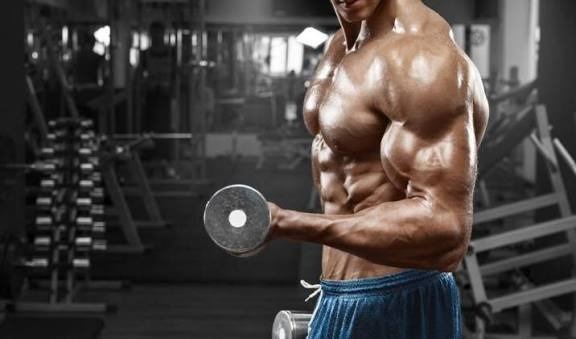
Hammer curls involve using muscles located under and next to the biceps, which are referred to as brachialis and brachioradialis which contribute to the overall thickness of the arm. Hold a dumbbell in both hands and point the palms to the torso and bend the weights either together or individually. Your elbows should be brought to your body when doing the movement and squeeze at the top to create maximum tension. This is a neutral grip that eases the strain on the wrists as well as builds your forearms. Do 3-4 exercises of 12 reps of this supporting muscles to train up these supporting muscles completely and develop a balanced arm shape.
Concentration Curl
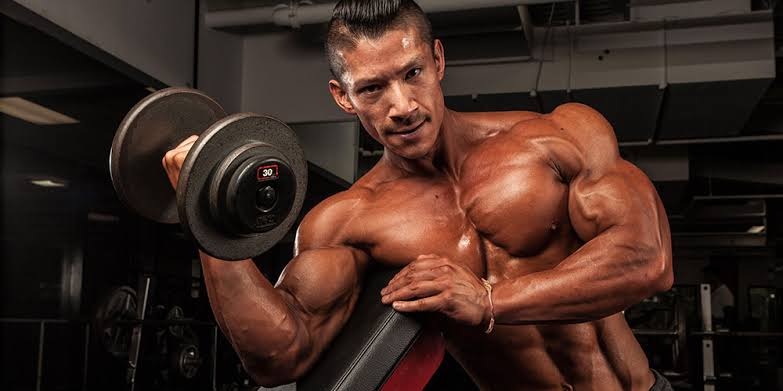
The concentration curls are excellent in enhancing the crown of your biceps. Lay out a dumbbell and sit on a bench with one hand and position your elbow lying on the inner thigh. Bend the dumbbell upward at a slow pace paying full attention to the biceps without momentum in the body. Stop and squeeze at the top and then bring down under control. This workout to the maximumest degree isolates the biceps and also facilitates a strong mind-muscle connection. Goal is 3 times of 10-12 reps on each arm with concentration only on good form but not heavy weight.
Cable Curl
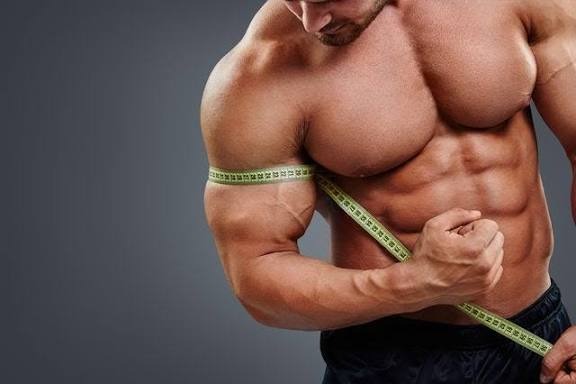
Working with a cable machine will guarantee constant tension during the movement that is crucial in muscle development. Fix a straight or EZ bar at a low pulley and bend upwards with the bar towards your shoulders with your elbows held to your sides. Gradually raise the bar upwards to the starting point without the weight stack touching down. Cable curls will be a perfect way to complete your workout, as it is a way of leaving the muscle fibers tired due to the continuous resistance. Do 3 rounds of 12-15 repetitions to reach the peak blood circulation and reach a powerful pump.
Nutrition for Bigger Biceps
A good workout plan is not sufficient in building muscle but nutrition is crucial. To increase your biceps within 30 days, you must take in a number of calories than what you lose as you concentrate on foods rich in proteins to aid in muscle healing and recovery. Foods such as chicken, eggs, fish, tofu and lentils contain lean proteins and should be included in your diet. Healthy fats in nuts and olive oil, normalize hormones, whereas carbohydrates like oats, brown rice, and sweet potatoes are vital to other strenuous workouts.